

Servicing Unvented Cylinders Made Simple: Your Guide to Unvented Cylinder Maintenance

If you’ve got an unvented cylinder at home or in your business premises, you know how important it is to keep it running smoothly. These cylinders provide reliable hot water on demand, but like any essential system, they need regular care. Today, I’m going to walk you through everything you need to know about unvented cylinder maintenance. I’ll keep it straightforward, practical, and friendly – so you can feel confident about looking after your system.
Why Unvented Cylinder Maintenance Matters
Unvented cylinders are brilliant because they store hot water at mains pressure, giving you strong, consistent flow. But this also means they operate under pressure, so safety and efficiency depend on regular checks.
Here’s why you should never skip maintenance:
Safety first: Pressure relief valves and expansion vessels need to be in top shape to prevent dangerous pressure build-up.
Efficiency: A well-maintained cylinder heats water faster and wastes less energy.
Longevity: Regular servicing extends the life of your cylinder, saving you money on replacements.
Avoid costly repairs: Spotting small issues early can prevent major breakdowns.
If you’re in Guildford or Surrey, keeping your system in check is even more important with our local water quality and climate conditions. Trust me, a little care goes a long way.

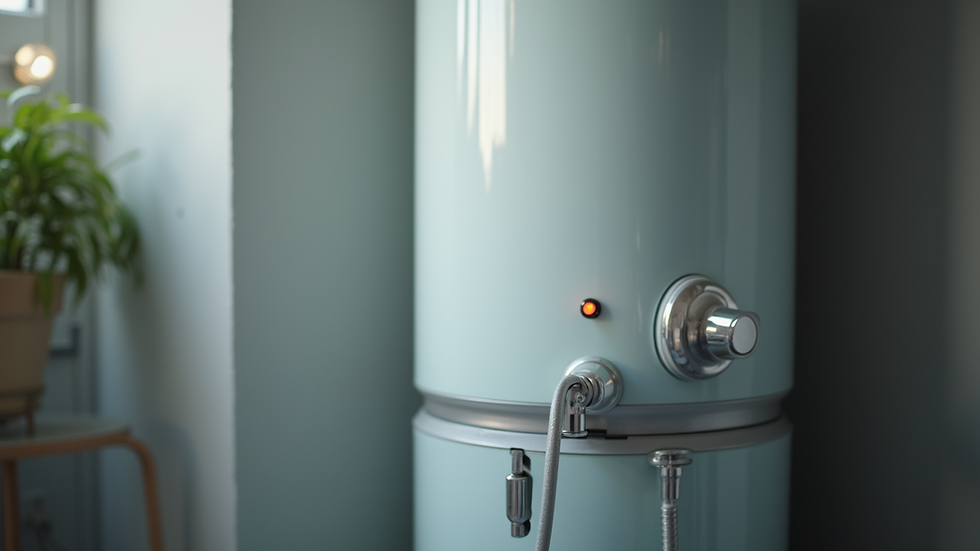
Pressure relief valves are crucial for safe operation.
The Basics of Unvented Cylinder Maintenance
Let’s break down what proper maintenance involves. You don’t need to be an expert, but knowing the basics helps you spot when something’s off.
What to Check Regularly
Pressure relief valve - This valve releases excess pressure. It should be tested annually to ensure it’s not stuck or leaking.
Expansion vessel - This absorbs pressure changes. Check its pressure and condition yearly.
Thermostats and heating controls - Make sure they’re working correctly to avoid overheating.
Pipework and insulation - Look for leaks, corrosion, or damaged insulation.
Anode rod (if fitted) - Some cylinders have anodes to prevent corrosion. These need checking every few years.
How Often Should You Service?
I recommend a full service every 12 months. This isn’t just a quick look-over – it’s a thorough inspection and testing by a qualified engineer. They’ll check all safety devices, flush the system if needed, and make sure everything complies with current regulations.
If you want to keep your system in tip-top shape, don’t wait for a problem to appear. Regular servicing is the best way to avoid unexpected cold showers!

Professional servicing ensures your cylinder stays safe and efficient.
How to Spot Warning Signs Early
You don’t have to wait for your annual service to notice if something’s wrong. Here are some signs to watch out for:
Water leaks around the cylinder or pipework.
Strange noises like banging or hissing.
Inconsistent hot water temperature or slow heating.
Pressure gauge readings outside the normal range.
Frequent activation of the pressure relief valve.
If you see any of these, it’s time to call in a professional. Ignoring these signs can lead to bigger issues and costly repairs.
DIY Tips for Simple Checks and Care
While some tasks need a pro, there are a few things you can do yourself to keep your cylinder happy:
Check the pressure gauge monthly. It should usually be between 1 and 2 bar when cold.
Look for leaks around valves and pipe joints.
Keep the area around the cylinder clear for easy access and ventilation.
Test the pressure relief valve by lifting the test lever gently (only if you’re confident). Water should flow freely and stop when you release it.
Remember, if you’re unsure about anything, don’t hesitate to get expert help. Safety is paramount.
Why Choose Professional Unvented Cylinder Service?
When it comes to servicing, professional expertise makes all the difference. A qualified engineer will:
Perform a full safety check and test all components.
Flush the cylinder to remove sludge and debris.
Replace worn parts like seals or anodes.
Ensure compliance with building regulations.
Provide peace of mind with a service report.
If you want reliable, hassle-free maintenance, consider booking an unvented cylinder service with a trusted local company. They know the ins and outs of systems in Guildford and Surrey and can tailor their service to your needs.
Keeping Your Hot Water Flowing Smoothly
Regular maintenance isn’t just about avoiding problems – it’s about enjoying the comfort of hot water whenever you need it. By staying on top of your unvented cylinder’s health, you’re investing in your home or business’s smooth running.
Here’s a quick checklist to keep handy:
Schedule an annual professional service.
Perform monthly pressure checks.
Watch for leaks and unusual noises.
Keep the cylinder area clean and accessible.
Call a professional if you notice any warning signs.
Taking these steps will help you avoid surprises and keep your system efficient and safe.
Maintaining your unvented cylinder doesn’t have to be complicated. With a little attention and the right support, you can keep your hot water flowing reliably all year round. If you’re in Guildford or Surrey, don’t hesitate to reach out to local experts who understand your system and your needs. Your comfort and safety are worth it!


Comments